About
Insights Plaza: Where people and Ideas connect
Welcome to Insights Plaza (/ˈpla.sə/). In my Mediterranean heritage, the «plaza» is more than just a physical space; it is the heart of the community where people and goods converge, and where ideas and knowledge flow freely. My mission is to bring this spirit to our industry, creating a digital «plaza» for market research, data, and insights professionals in the broadest sense of the definition.
This platform is designed to be a meeting point to find inspiration and connect. Acting as a curator and moderator, I aim to bridge the gap between global innovation and the Spanish-speaking community, ensuring these two worlds enrich one another. By linking people, emerging themes, and innovative companies, Insights Plaza serves as a space for exchange and reflection, dedicated to elevating the strategic value and voice of our community on the global stage.
About Me: A Life in international Insights
I have traveled the world of insights, embracing the role of a connector of people and topics. Whether as a keynote speaker or a master of ceremonies at conferences across all continents, my passion has always been to elevate the voice of our profession and promote the market research, data, and insights industry. My leadership style is human-centered and pragmatic, focused on navigating complexity and building strong teams.
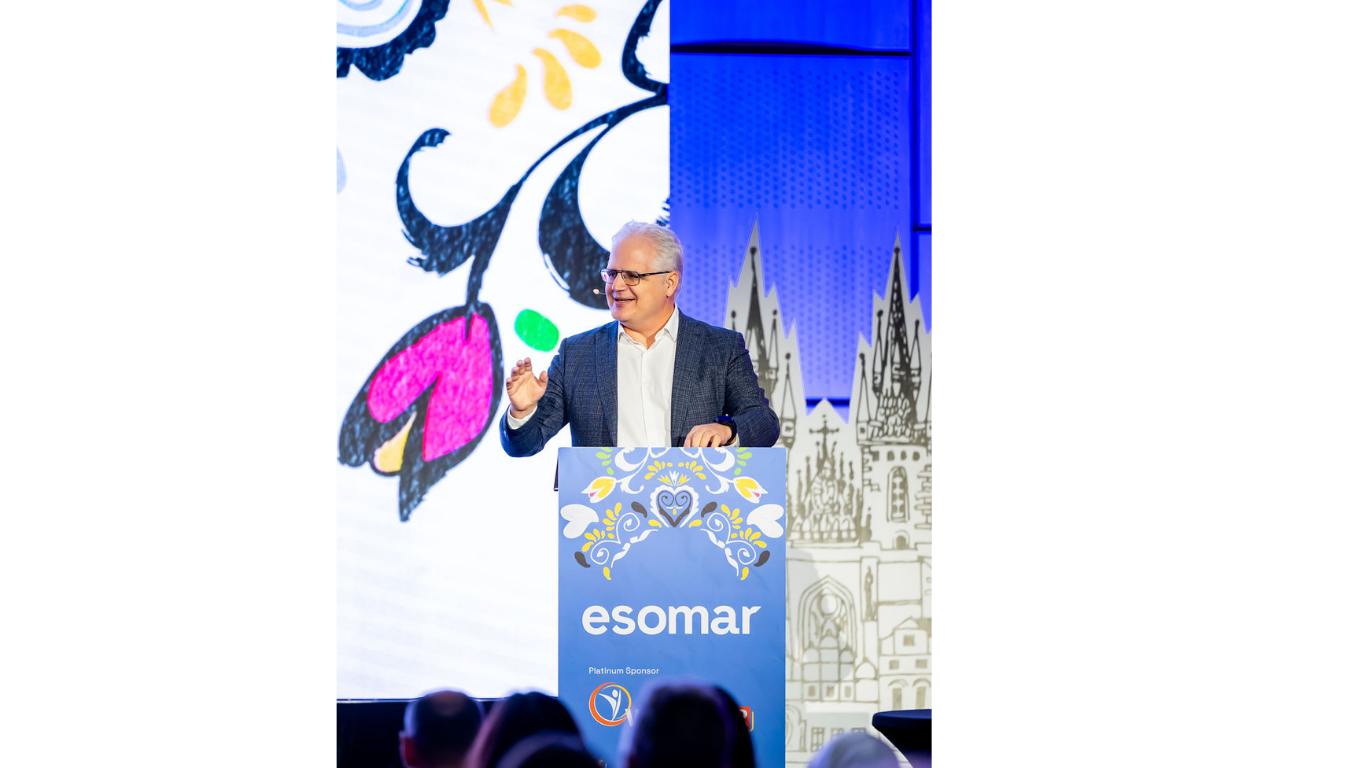
My journey at ESOMAR has been dual: I had the honor of serving as President (2019–2021) , the period when I coined my guiding slogan: «Building bridges between people, geographies, and methodologies.» Later, as Director General (CEO) from 2023 to 2026, I led the global association through a period of structural transformation and modernization. My tenure was focused on stewarding ethics, leading the adaptation of the ICC/ESOMAR International Code to the new technological context and the disintermediation of the value chain , and rebuilding trust across a membership spanning over 130 countries. During this mandate, we transformed ESOMAR into a brand in its own right, moving beyond the acronym, positioned Africa within the global market, and brought social research closer to European Union forums.
Before my leadership roles at ESOMAR, I spent over a decade as International Director at Netquest, transforming it into a recognized global player. My background as a practitioner is rooted in the FMCG and Retail sectors, where I held key executive roles such as Merchandising Director at Carrefour Group (Supermercados Champion) , Marketing & Purchasing Director at Sabeco (Groupe Auchan) , and Retail Services Director at Kantar Spain.
Today, I serve as a Consultant and Board Advisor for companies within the insights ecosystem. My focus is helping organizations achieve successful international expansion and adapt to the latest industry trends. This combination of deep-rooted practitioner experience and global advocacy is what drives me to continue building the bridges our community needs to thrive in a complex, data-driven future.
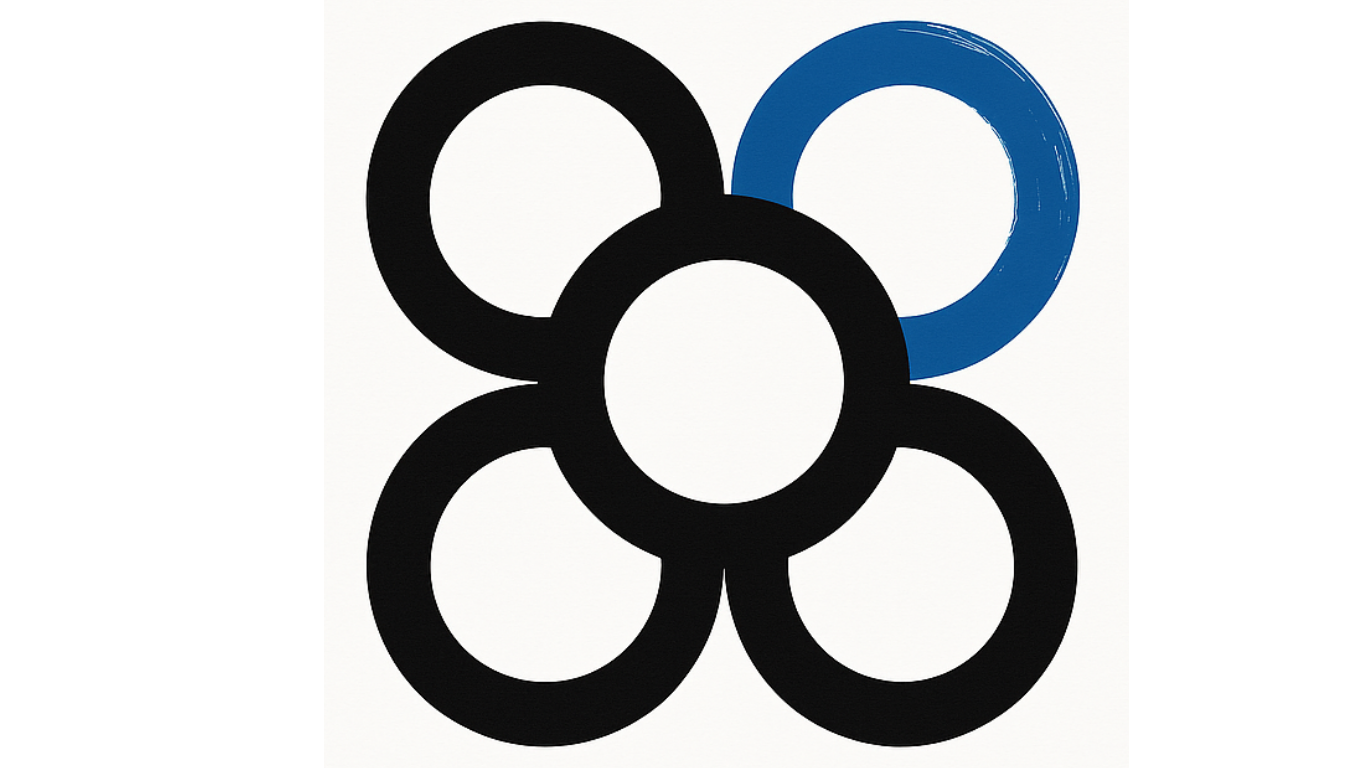
The «Panot de Flor»: Barcelona’s Modernist Icon
Why it is Unique: The Panot is more than just infrastructure; it is a design identity. It turned the floor of the city into a continuous artistic carpet. While most global cities use plain asphalt or generic tiles, Barcelona’s flower tile serves as a permanent reminder of its golden age of architecture. It remains a masterclass in urban branding, proving that even a simple sidewalk can become a world-renowned cultural symbol.
The Architect’s Touch: The design originated from the stone floor of the carriage entrance at Casa Amatller (1900) in Passeig de Gràcia, a masterpiece by Josep Puig i Cadafalch. He was one of the «big three» of Catalan Modernism, alongside Antoni Gaudí andLluis Domènech i Montaner. His vision was to integrate art into every functional element of a building, including the ground.
A Symbol of Catalan Modernisme: This paving stone represents the core philosophy of the Modernisme movement: the democratization of beauty. The goal was to take art out of the galleries and onto the streets, making it accessible to the common citizen. The stylized four-petaled flower (the «Barcelona Rose») reflects the movement’s obsession with nature and organic forms.
The 1906 Standardization: At the start of the 20th century, Barcelona was nicknamed «Can Fanga» (House of Mud) because of its unpaved streets. In 1906, the City Council approved five tile designs to pave the Eixample district. The flower design became the most beloved and widely produced, eventually covering millions of square meters.